








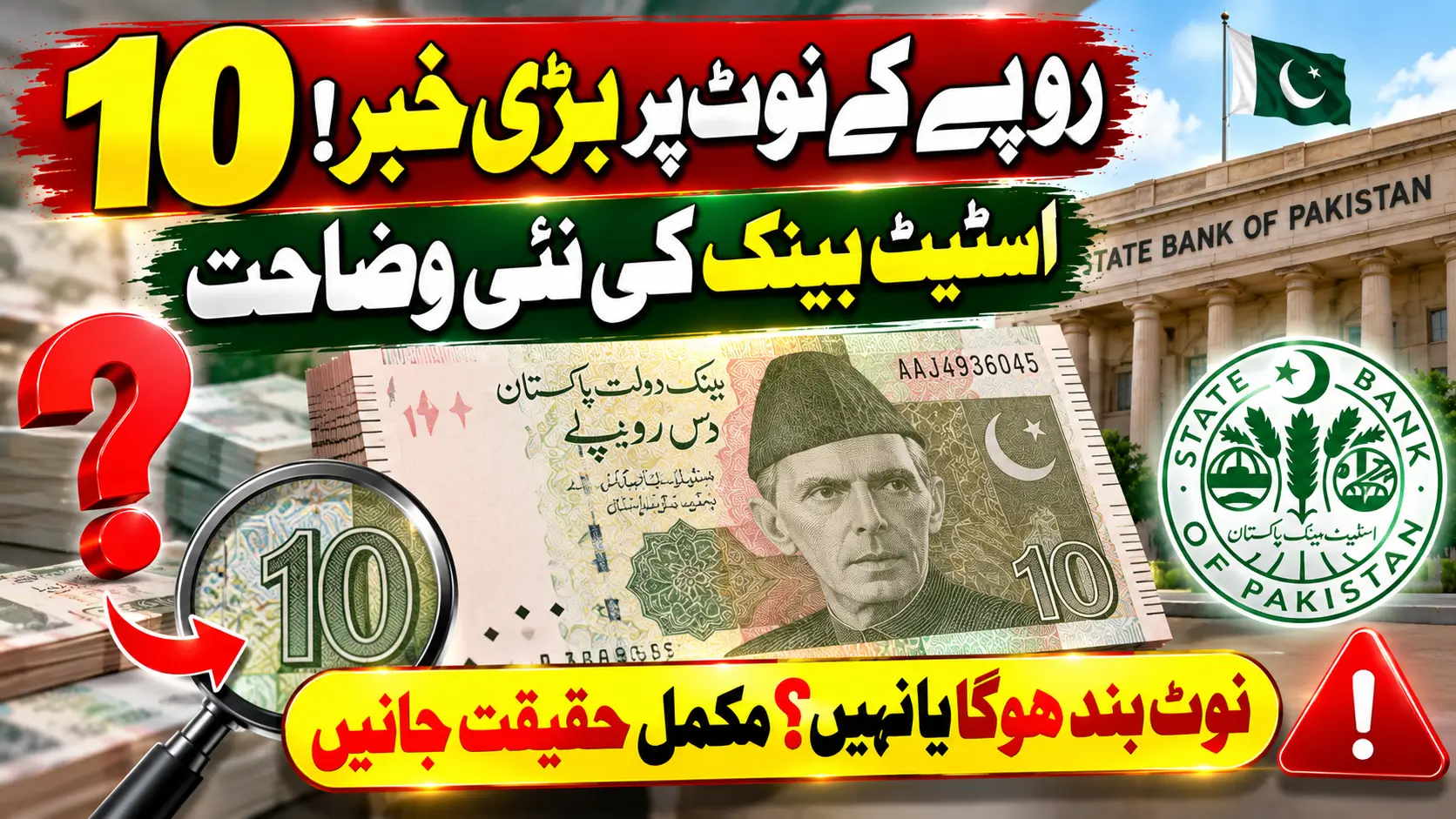
The Rs10 Note Removal plan has drawn attention to the future of small-denomination currency in Pakistan. The Rs10 banknote is widely used for everyday purchases, including public transport, small grocery items, and other low-cost transactions. Any proposal to withdraw this note from circulation could affect how people handle small payments.
The State Bank of Pakistan (SBP) is responsible for managing the country’s currency and maintaining an effective cash system. Changes to banknotes can influence consumers, shopkeepers, businesses, and financial institutions. However, it is important to distinguish between a proposal to discontinue a banknote and an official decision to remove it from circulation.
The reported plan to scrap the Rs10 note has raised several questions. Will people still be able to use existing notes? Could coins replace paper currency? What would this mean for daily transactions? Understanding these issues can help people prepare for any future currency changes.
Rs10 Note Removal and the State Bank’s Currency Plan
The reported Rs10 Note Removal plan is connected to discussions about the future structure of Pakistan’s currency system. Central banks periodically review the denominations of banknotes and coins to ensure that the available money meets public needs.
Small-denomination currency plays an important role in a cash-based economy. People use it to pay for everyday goods and services, particularly when the total amount is small. For this reason, any change to the availability of Rs10 notes would need to consider the needs of ordinary consumers and businesses.
Before treating the reported plan as a confirmed policy, people should check whether the State Bank has issued an official announcement explaining the proposed change, its implementation date, and the arrangements for exchanging or using existing notes.
Why Is the Rs10 Note Removal Plan Being Discussed?
There are several reasons why a central bank might review the use of small-denomination banknotes. These reasons can help explain the broader context of the reported Rs10 note plan.

1. The Cost of Printing Banknotes
Paper currency requires printing, distribution, security features, and regular replacement. Banknotes that become damaged or worn out may need to be replaced more frequently.
A central bank may review the cost of maintaining a particular denomination and consider whether another form of currency could serve the same purpose.
However, the cost of producing banknotes alone does not establish that the Rs10 note will be discontinued.
2. The Possible Role of Coins
Coins can remain in circulation for longer than paper banknotes under normal conditions. Some countries use coins for low-value transactions to reduce the need to replace frequently used paper currency.
If a similar approach were considered in Pakistan, the availability, durability, and public acceptance of coins would be important factors.
The Rs10 Note Removal plan should not be interpreted as confirmation that a replacement coin has been approved unless the State Bank officially announces such a decision.

3. Changes in Payment Habits
Digital payments, mobile wallets, and electronic transfers have changed how some people make everyday purchases.
Even so, cash remains important for many transactions, particularly for small businesses, transport services, and people who do not regularly use digital payment methods.
Any decision about small banknotes would need to account for people who depend on cash for their daily needs.
What Could Rs10 Note Removal Mean for Ordinary People?
If the State Bank eventually decides to withdraw the Rs10 banknote, the impact on consumers would depend on the official implementation plan.
Here are some areas that could be affected:
- Daily shopping: Customers may need alternative ways to pay for low-cost goods.
- Public transport: Passengers and transport operators may need to adjust how they handle small payments.
- Small businesses: Shopkeepers may need to keep sufficient change available in other denominations.
- Cash handling: Banks and businesses may need to update their cash-management practices.
- Personal savings: People holding Rs10 notes would need to follow the official instructions regarding their continued use or exchange.
These are possible effects of a currency change, not confirmation that any of these measures have already been introduced.

Rs10 Note Removal and the Future of Small Currency
Small-denomination currency is an important part of an accessible payment system. Even when digital payments become more common, people still need convenient ways to make small cash transactions.
If the Rs10 note is withdrawn, the availability of suitable alternatives would be a key consideration. Other banknote denominations, coins, and electronic payment methods could each play a role, depending on the policy adopted.
A well-planned transition would generally require clear communication, sufficient time for the public to adjust, and practical arrangements for handling existing currency.
The State Bank’s official guidance would be the most reliable source for understanding whether any such transition is planned.
How to Check the Latest Rs10 Note Removal Update
People who want to know whether the Rs10 note is being discontinued should rely on official announcements rather than unverified social media posts.
Follow these steps to check for reliable information:

- Visit the official State Bank of Pakistan website.
- Look for press releases, currency-related announcements, and public notices.
- Check whether the announcement specifically mentions the Rs10 banknote.
- Read any instructions about the effective date, continued use, and exchange arrangements.
- Confirm whether the notice applies to all Rs10 notes or only to a particular series.
The official website is available at www.sbp.org.pk .
It is particularly important to check whether an announcement concerns the printing of new banknotes, the withdrawal of old notes, or the complete discontinuation of a denomination. These are different actions and can have different consequences for the public.
What Should People Do With Existing Rs10 Notes?
Until an official withdrawal notice is confirmed, people should avoid making decisions based on rumors about the Rs10 Note Removal plan.
If you have Rs10 notes at home or in your wallet, consider the following practical steps:
- Continue to follow the official rules for using existing currency.
- Do not exchange notes with strangers based on claims that they will soon become worthless.
- Check official announcements for any deadline or exchange procedure.
- Ask your bank for clarification if an official withdrawal notice is issued.
- Keep track of any instructions regarding the validity of existing notes.
An announcement about a possible currency change does not automatically mean that existing notes have lost their value.
FAQs About Rs10 Note Removal
1. Is the Rs10 Note Removal plan officially confirmed?
The headline reports a plan to scrap the Rs10 note, but the supplied information does not establish whether the State Bank has formally approved the decision. Check official SBP announcements for confirmation.

2. Will existing Rs10 notes become invalid?
That depends on the official policy. A withdrawal announcement may include a transition period or exchange arrangements. People should follow the State Bank’s instructions rather than assume that existing notes are immediately invalid.
3. Why might the State Bank discontinue the Rs10 note?
A central bank may review printing costs, currency durability, payment habits, and the availability of alternative denominations. These are possible considerations, not confirmed reasons behind the reported plan.
4. Will a Rs10 coin replace the banknote?
A coin could be one possible alternative, but the supplied headline does not confirm that a replacement coin has been approved. Any replacement would need to be announced officially.
5. Where can I check the latest Rs10 Note Removal news?
You can check the State Bank of Pakistan’s official website at www.sbp.org.pk for currency announcements, public notices, and information about any changes to banknotes.
Conclusion
The reported Rs10 Note Removal plan has raised questions about the future of small-denomination currency in Pakistan. Any decision to discontinue the banknote could affect consumers, shopkeepers, and people who rely on cash for everyday transactions.
For now, the most important step is to verify whether the State Bank has issued an official notification and to understand any instructions about existing notes, replacement currency, and implementation dates. Staying informed through reliable sources can help people avoid confusion and prepare for any confirmed changes to Pakistan’s currency system.